Five people walk into an Italian restaurant. Each is given a plate of spaghetti.
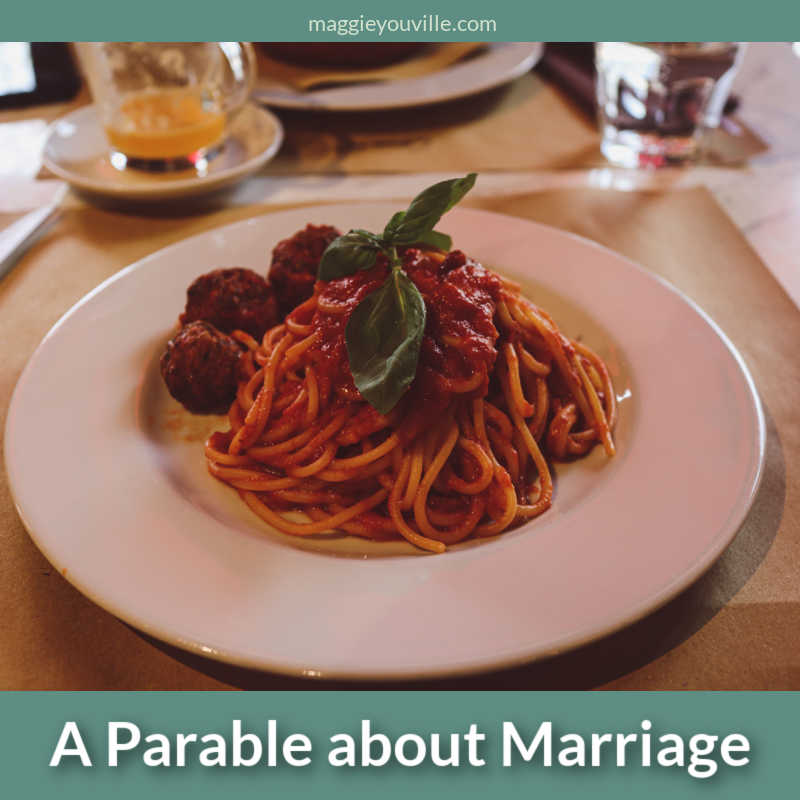
The first person receives a full plate of long noodles coated in a rich red sauce, dotted with huge meatballs and finished with a sprinkling of fresh parmesan and parsley. It smells warm and inviting.
The second person receives a generous portion of noodles with three meatballs and uneven spoonfuls of sauce. Clumps of salt and basil sit in the tomato. When she complains, she is told to pick them out—it isn’t polite to criticize the cook.
The third person is given a half-empty plate, the noodles thinly coated in a watery sauce. When she complains, she’s told she can pray for meatballs.
The fourth person is given plain noodles with a dusting of parmesan. When she complains, she’s told she should have ordered better.
The fifth person is given a plate with a few noodles, a few hairs, and what looks like dishwasher detergent instead of parmesan.
When the last two try to stand and leave, they’re told they are not allowed to leave the restaurant until they’ve finished what they’ve been served.
Let’s Look at the Meals
We’re told the meal is sacred. A beautiful, nourishing experience, carefully prepared and meant to be shared. Something good, worth waiting to receive.
But we live in a world where not every plate that arrives at the table is good. Some are disappointing. Some are neglectful. Some are genuinely harmful to consume.
And when people push their plates away and say, “This isn’t what I was promised,” too often they’re told the problem is with them. Pray more. Complain less. Work around what’s wrong. Accept what you’ve been given.
Over and over again, people are told they have no choice but to keep eating. It doesn’t matter how they arrived at the restaurant. Whether someone made them come eat here or whether they walked in the door because so many other people had raved about it, they aren’t allowed to leave now that they are here.
But calling a meal sacred does not make it nourishing.
If the food is bad, naming it doesn’t make it worse—it makes it honest. Picking around the worst parts or forcing it down doesn’t transform it into something good or edible.
And when passersby watch the people at tables, quietly choking down meals that are bland, spoiled, or barely there at all, they don’t learn to love the meal. They learn to avoid it. They make sure they don’t enter that restaurant, no matter what some people say about how good the plate is (because you may not be lucky enough to get a good plate).
Name the Wrong
We should be able to say when something is wrong with what’s been served. When the plate is empty, when the sauce is spoiled, when the meal was carelessly made. We should be able to say when the responsibility lies not with the person eating, but with the one who prepared it.
A good meal requires care. It requires effort. It requires something real being offered from both sides.
And when that isn’t happening—when what’s been placed on the table is damaging rather than sustaining—people should be allowed to step away.
Protecting the idea of the meal should not come at the cost of the people forced to eat it. Allowing someone to leave a harmful table doesn’t lower the standard. It raises it—for everyone.

Leave a Reply